

Age is just a number
March 14, 2026
The perfect training
June 2, 2026
Dinsdag 19 mei - Breda
Early in the morning, with the rising sun on my face, I imagine myself ticking off mile after mile. Breakfast by the water, the occasional swim in a lake along the way, reaching the 200-kilometre mark at sunset, and then finding a beautiful campsite for a short night’s sleep. And then doing it all again the next day. In my mind, I romanticize the entire challenge of Mother North. Of course, there will be suffering too—saddle sores, fatigue, and moments of doubt. But none of that pain is visible when I watch the aftermovie from last year’s edition.
On a day in November, I receive a message from Wim. Attached is a photo of his registration confirmation for Mother North 2026, with a single word underneath: Check! His cycling friends are quick to respond:
“Hey Wim, haven’t had too many beers, have you??? This is serious stuff! Have you actually read what you signed up for? It’s an ultra gravel race!”
“Wim, do you realize what you’re getting yourself into? This is a race where people ride day and night!”
And they are right. Mother North is no ordinary ride. It is a gravel race of 1,100 kilometres with 18,000 metres of elevation gain. There is a time limit of six days, and it is completely self-supported. Riders decide for themselves how far they ride each day, where they sleep, and where they eat. There are no aid stations, and nobody is allowed to wait along the route to hand out food or supplies. Everyone is on their own, but all with the same goal: to finish. I had wanted to take part in 2025, but the race started just one week before our wedding, so that plan never materialized—although Zoë was perfectly happy with the idea of me cycling straight into our wedding. At the wedding, I told Wim about the race and said: “We should do that together next year.” Wim is one of the few friends crazy enough to consider something like this. Years ago, I convinced him to skate the legendary Elfstedentocht on the Weissensee. But this is even crazier, which is why his message comes as such a surprise. Excitedly, I show it to Zoë and say: “I’m going to ride it together with Wim!” There isn’t a single hair on her head that would consider joining us. For Zoë, 80 kilometres a day is more than enough. She thinks the whole idea is completely insane, but she supports me 200 percent.
A long time ago, before our world trip, we once cycled from Rotterdam to Neerpelt. What Zoë remembers most is me saying, “Just five more bridges,” as we rode the final stretch along the canal. By then, she could no longer find a comfortable position on her saddle, and every additional metre felt like too much. Those five bridges seemed to last forever. That day we cycled 170 kilometres—more than we ever rode on a single day during our entire world journey. During Mother North, I will have to average more than 200 kilometres a day, over gravel roads and with a huge amount of climbing. So Wim’s friends had every right to ask: “Do you really know what you’ve gotten yourself into?”
Home by bicycle
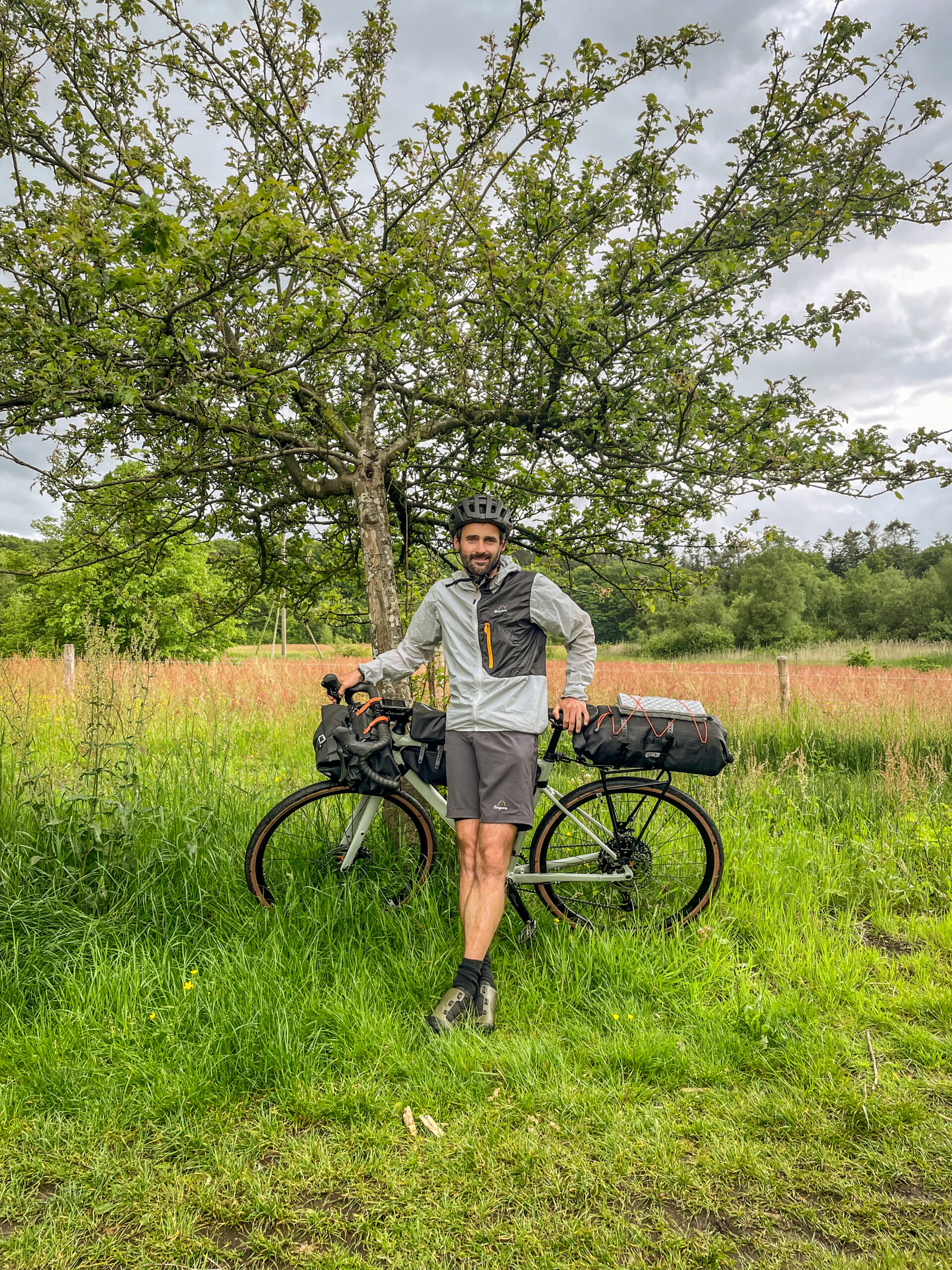
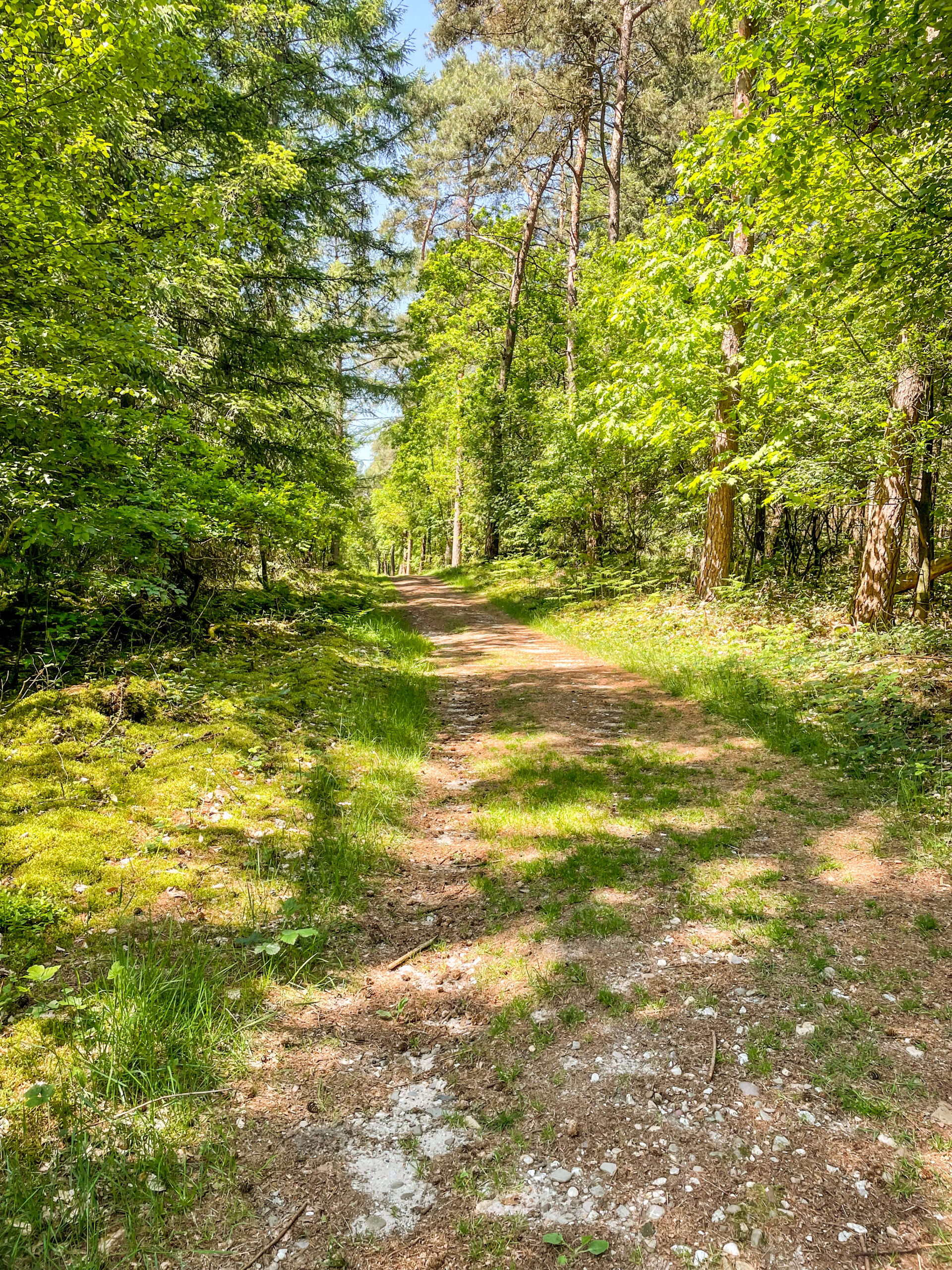
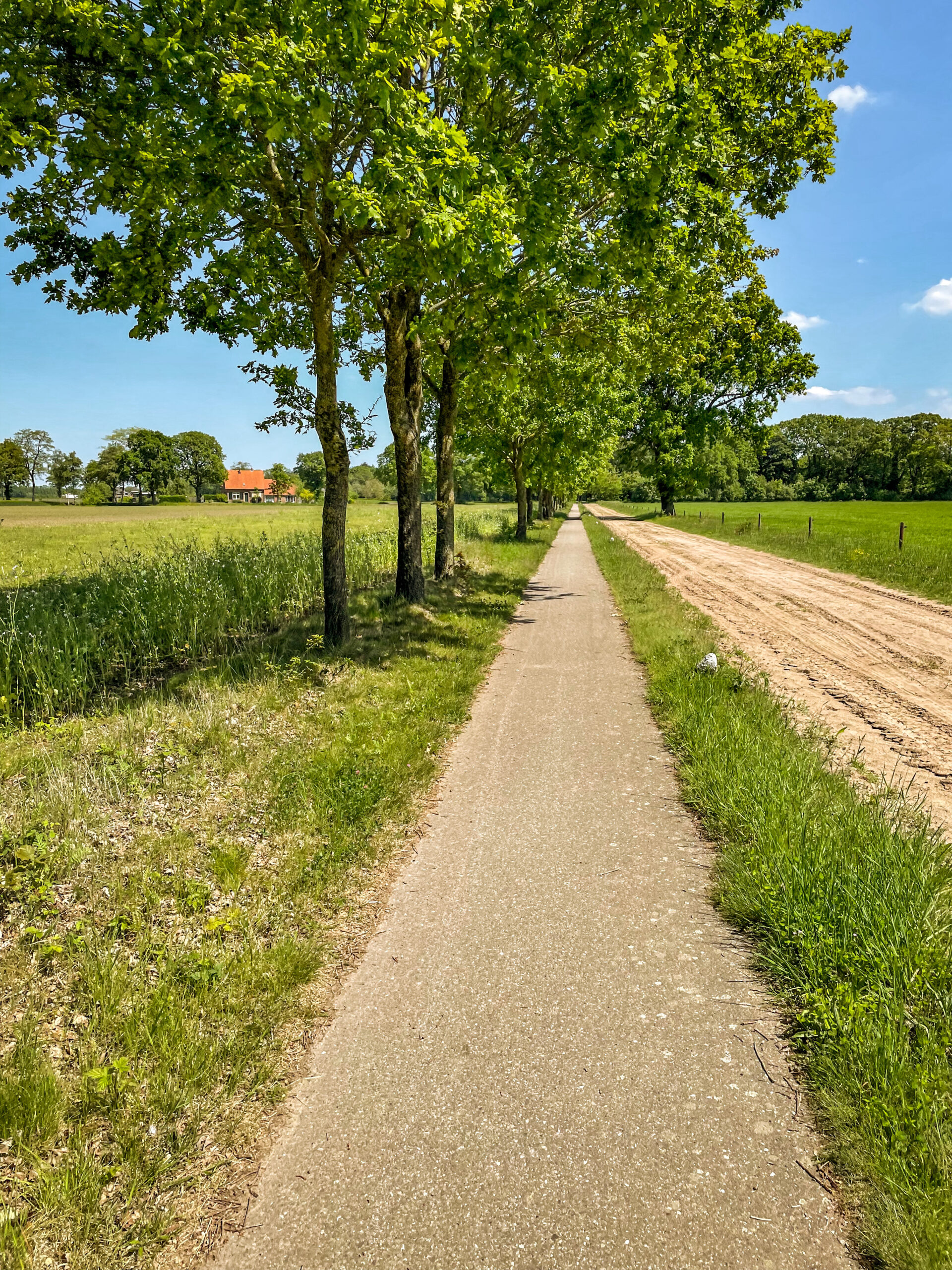
We always say that the journey is the training. But for Mother North, the adventure is too short to learn everything along the way. There isn’t much room for mistakes and adjustments. Almost everything about it is new to me: distances this long, minimal luggage, and a lightweight gravel bike. Most of all, I want to enjoy the challenge rather than simply suffer through it. I need a serious training ride to test everything.
In May, we are visiting the Netherlands and Belgium again. Earlier in the year, I cautiously mentioned that I might cycle back to Norway. “Oh, nice! Do we have time for that?” Zoë asked enthusiastically, until she realized what I meant. My plan was to ride home in just a few days, on a new bike that I would buy in the Netherlands. When I tell Wim about the idea, he immediately starts making plans to join me for part of the journey. Two fools together.
“I’m going to ride to Copenhagen in four and a half days, take the ferry to Oslo, and then cycle the final stretch home,” I tell Zoë.
“You’re crazy,” she replies.
It will be the perfect training ride: 1,200 kilometres in six days, but with fewer climbs. A chance to test everything and see how it feels. What is it like to ride that far, to spend that many hours in the saddle? How will my hands, back, and backside hold up? I can use exactly the same setup I plan to use for Mother North. How much do I need to be completely self-supported while still maintaining a minimum level of comfort? More than anything, it is a mental test. Do I actually enjoy this? Or is the romantic image in my head nothing more than a dream?
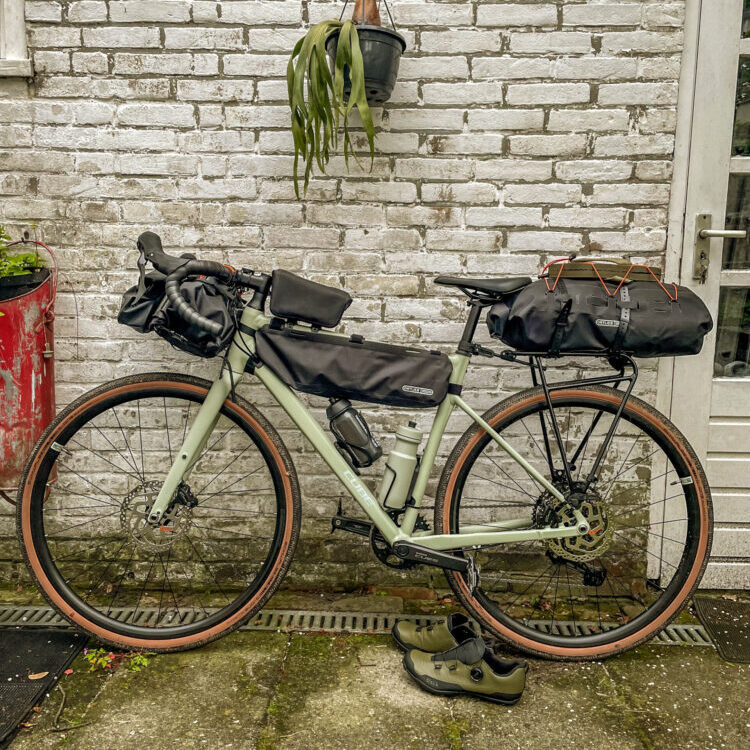
On Tuesday morning, I pick up my new bike. On Friday morning, I leave for Norway. A cardboard box contains the new bikepacking bags. A large plastic bag is filled with the gear I want to bring. As I start fitting everything onto the bike, I immediately notice how little space there is with this setup. I feel frustration building. What is wrong with our regular panniers? I wonder. I can just stuff them full of everything I want. Why does everything always have to be different?
Eventually, everything finds its place, but there is barely enough room left for food. I don’t like scarcity. The thought of not having enough food along the way stresses me out. During our travels, we are used to carrying several days’ worth of food and always having more than enough. That is something I will have to get used to. The advantage is that I will be covering so many kilometres each day that food will never be far away. I take the bike for a short test ride of a few kilometres, notice that the bags feel surprisingly stable, make a few final adjustments, and feel ready enough. From Friday onward, I will have 1,000 kilometres to put everything to the test.


